will@jinfengvalve.com
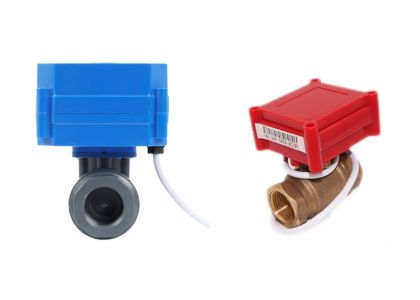
In modern water treatment systems, the "Mini Electric Ball Valve" is a key component. It is used in many projects.
Compared to manual valves, the Mini Electric Ball Valve enables more stable and precise control over pipeline operations. Its compact size and simple installation further contribute to its growing demand in the European and American markets.
Key Advantages of the Mini Electric Ball Valve
1. Compact design
2. Automatic power cutoff happens when the device is fully open or fully closed. This helps save energy and extends its service life.
3. Wide range of applications, including:
Building automation systems
Agricultural irrigation systems
Industrial automated water circulation systems
Filtration systems
The electric actuator delivers stable driving force, enabling reliable valve operation under varying pressures.
Various Sizes Available
The mini electric ball valve comes in multiple sizes, with common models including:
1/4 inch motorized ball valve (DN8)
1/2 inch motorized ball valve (DN15)
3/4 inch motorized ball valve (DN20)
1 inch motorized ball valve (DN25)
2 inch motorized ball valve (DN50)
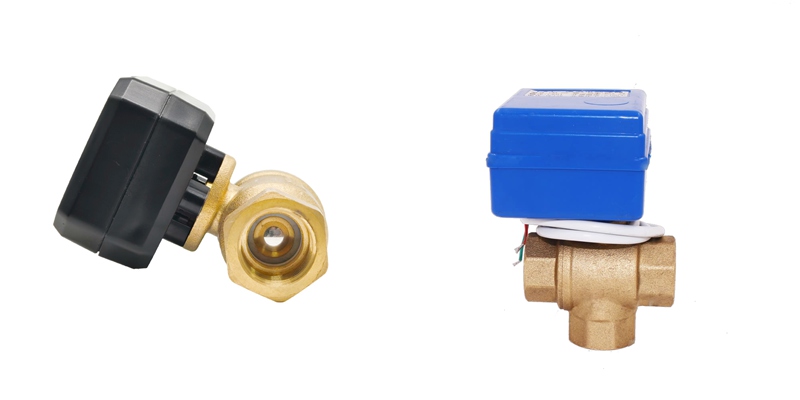
How Mini Electric Ball Valves Operate
These automated valves are typically electrically driven, such as:
5V automated ball valves (for automated equipment only)
The motor drives the valve rotation via a gearbox. Beyond basic on/off functionality, they generally feature:
Power-off reset capability
Manual reset capability
Signal feedback capability
Angle modulation capability
How to Select the Right Mini Electric Ball Valve
1. Nominal Size: 1/2 inch, 3/4 inch, 1 inch, etc.
2. Valve Body Material: Brass, Stainless Steel, Plastic
3. Actuator Voltage: 12V, 24V, 110V, 220V
4. Connection Method: Threaded Connection (NPT/BSP)
5. Medium: Tap Water, Corrosive Liquids, Media with Impurities.
For automated equipment water supply, DN15, DN20, and DN25 miniature electric ball valves are the most widely used
Trends in Mini Electric Ball Valves for Water Treatment
As modern automated water systems keep improving, mini electric ball valves have become key parts.
As a result, the demand for automated valves in the global market will keep growing. This is especially true for water-saving equipment and smart water supply projects.
TIANJIN JINFENG VALVE CO., LTD. is a high-tech enterprise specializing in the production of motorized ball valves and motorized butterfly valves.Operating from a 50,000-square-meter facility, the company features dedicated workshops for injection molding, machining, SMT welding, and advanced assembly lines. Backed by a professional R&D team, we hold multiple technical patents. Our products are certified to ISO 9000:2000, CE, RoHS, NSF 61, and other international standards. Through reliable quality and competitive pricing, we have earned a solid reputation among clients worldwide...[ read more ]





Contact Person: Will Li
Mobile Phone:+8615122298867
WhatsApp:+8615122298867
E-mail:will@jinfengvalve.com
Add:Taibo South Road, Jinghai Economic Development Zone, Tianjin, Jinghai District