will@jinfengvalve.com
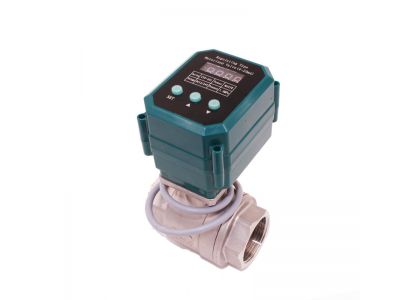
In the era of Industry 4.0, fluid control is transforming. Whether in large-scale water treatment plants or HVAC systems, traditional on-off valves are no longer sufficient to meet project requirements.
As a key component in automated control systems and fluid transmission, motorized flow control valves are gradually replacing traditional manual valves to become a critical element in industrial automation.
This article will explore how this technology enhances system efficiency and precision, delivering significant improvements for your projects.
Motorized Flow Control Valves, commonly referred to as Electric Actuated Valves, are mechatronic devices that regulate fluid flow by driving valves with electric motors.
Unlike solenoid valves that can only be fully open or fully closed, motorized control valves can accept control signals (such as 4-20mA or 0-10V), allowing the actuator to position the valve at any angle. This capability is known as proportional control.
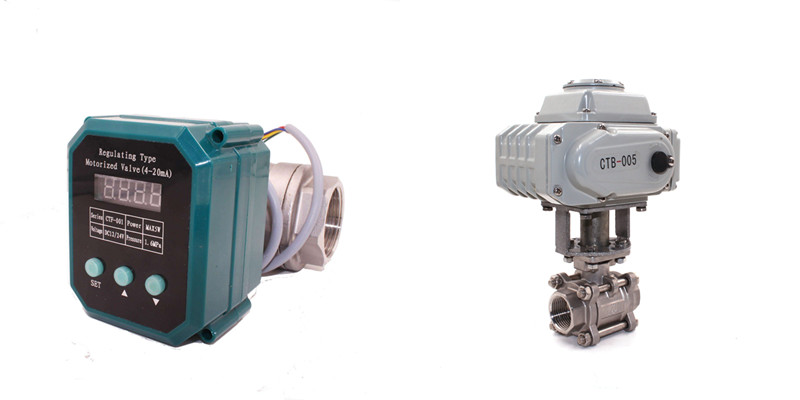
Within pipelines, fluid flows at high velocities, and pressure fluctuations can be fatal.
Smooth Regulation: Solenoid valves switch extremely rapidly, making them prone to causing water hammer effects that result in violent pipe vibrations.
Precise Pipeline Pressure Control: Electric modulating valves adjust valve opening based on sensor feedback, eliminating errors and ensuring system stability.
Another advantage of motorized flow control valves is energy efficiency.
Zero standby power consumption: Solenoid valves require continuous power to maintain the valve in the open position, and the coil tends to overheat, resulting in a shorter service life. In contrast, motorized valves automatically cut off power internally when fully open or fully closed, effectively preventing overheating. This leads to lower operational expenses (OPEX) in long-term projects.
Optimized Flow Control: Through PLC integration, motorized valves deliver water on demand, preventing water wastage.
Electric flow control valves are typically equipped with a Position Feedback Signal. The control system can detect the valve's opening position. This is key to enabling Predictive Maintenance, allowing technicians to intervene before failures occur.
Water Treatment and Irrigation: Automated irrigation systems for supply networks or smart agricultural irrigation.
HVAC and Building Automation Systems: Hot/cold water regulation for maximized energy efficiency.
Chemical Industry: Automated control via stainless steel valves with electric actuators for corrosive media.
From traditional switching functions to intelligent modulation capabilities, motorized flow control valves represent not merely a hardware upgrade, but a transformative shift toward more efficient, precise, and intelligent industrial systems.
If your project requires low energy consumption, stable control, and low maintenance costs, consider upgrading your fluid control solution.
TIANJIN JINFENG VALVE CO., LTD. is a high-tech enterprise specializing in the production of motorized ball valves and motorized butterfly valves.Operating from a 50,000-square-meter facility, the company features dedicated workshops for injection molding, machining, SMT welding, and advanced assembly lines. Backed by a professional R&D team, we hold multiple technical patents. Our products are certified to ISO 9000:2000, CE, RoHS, NSF 61, and other international standards. Through reliable quality and competitive pricing, we have earned a solid reputation among clients worldwide...[ read more ]





Contact Person: Will Li
Mobile Phone:+8615122298867
WhatsApp:+8615122298867
E-mail:will@jinfengvalve.com
Add:Taibo South Road, Jinghai Economic Development Zone, Tianjin, Jinghai District